To meet the rising demand for food sustainably, innovative solutions like 4D Bios plant factories are emerging. These controlled-environment systems use LED lighting, precise nutrient delivery, and climate regulation to maximize crop production year-round. This article explores their operation, advantages, and transformative potential for modern agriculture.
What is a Plant Factory?
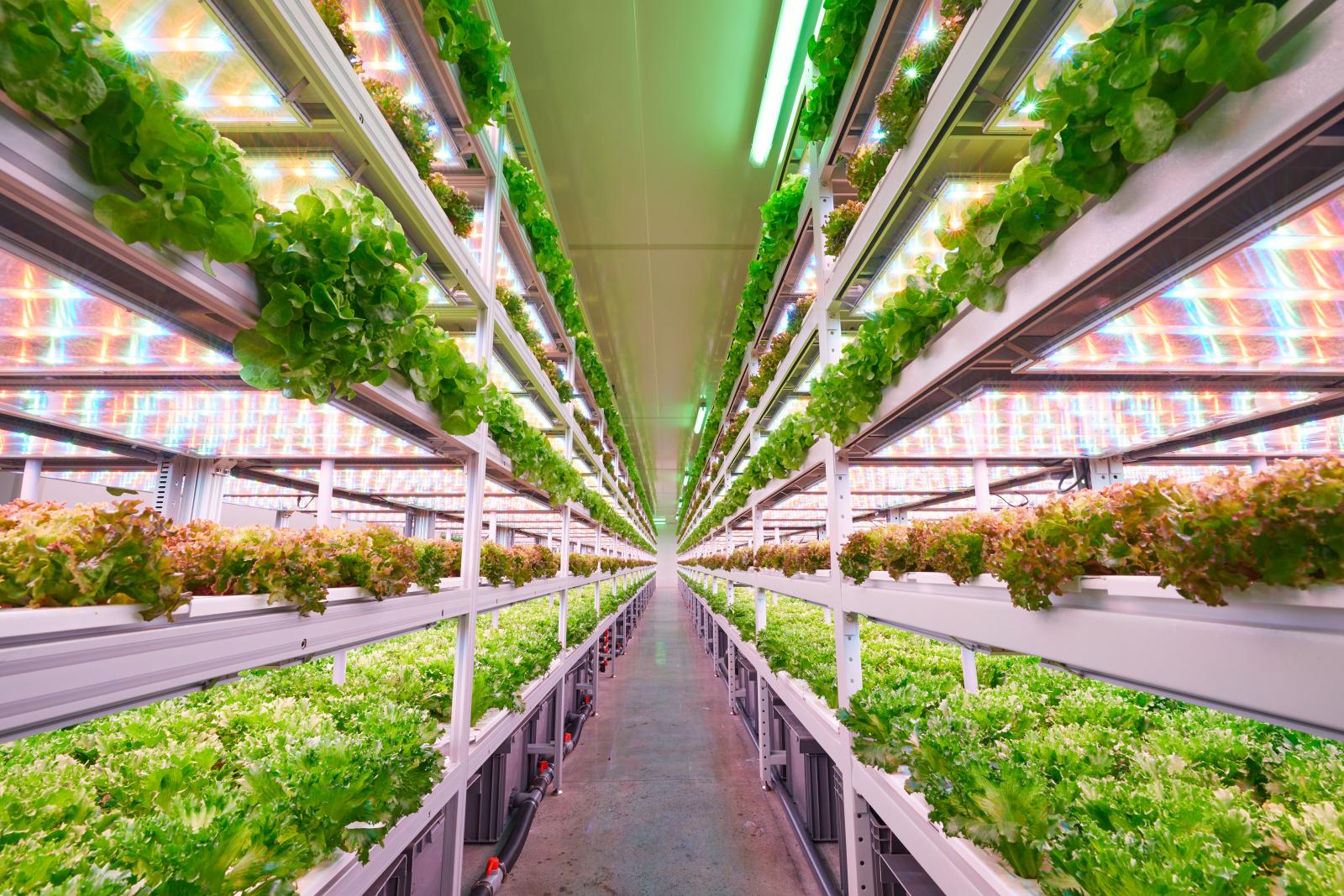
A plant factory refers to a closed indoor farm that is multi-ed. Fundamentally, LEDs provide the light, and temperature, humidity, and CO₂ are precisely controlled, often refered as CEA (controlled environment agriculture). Moreover, plants use hydroponic or substrate setups with customized nutrient solutions. The stacked layout aims for consistent growth in a closed space.
How do Plant Factories Work?
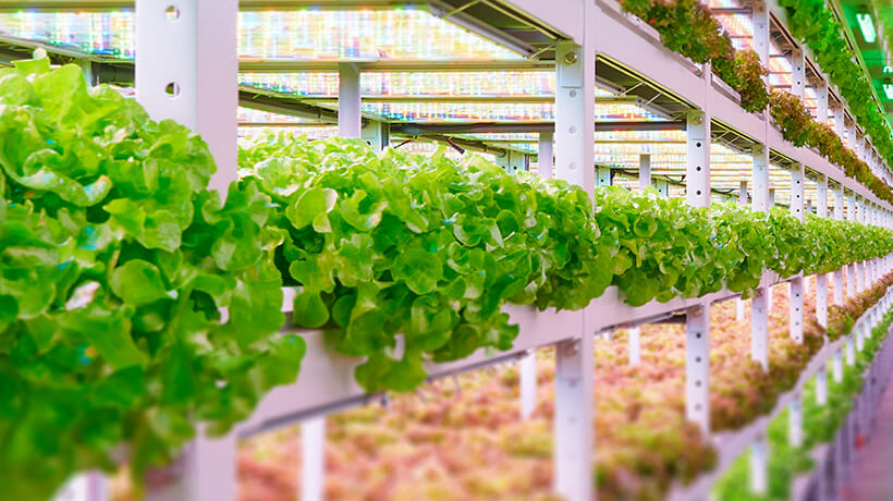
Plant factories are high-tech indoor farms that grow produce, like lettuce, stacked on shelves. Instead of soil and sunlight, they use nutrient-rich water to feed the roots and special LED lights that provide perfect “sunshine.” Computers control the air, temperature, and water to create the ideal weather year-round. This allows for growing fresh, local food anywhere, anytime, using far less water and no pesticides.
Technology behind Plant Factories
After learn its working principle, let’s explore the technology behind the plant factories:
1.LED Lighting System
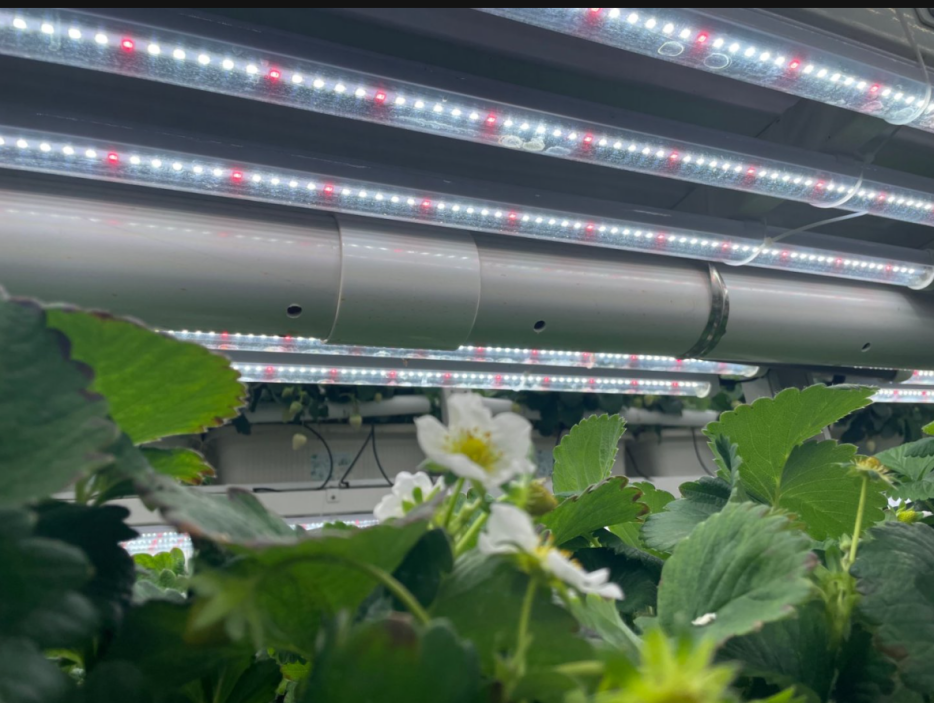
In a plant factory, LED lights replace sunlight to speed up plant growth. The LEDs are designed for long-lasting, stable performance, with built-in protections overcurrent, overvoltage, overheating, and short circuits. Their intensity is carefully controlled to stay uniform across all growing s, ensuring consistent growth.
2. Vertical Growing Systems
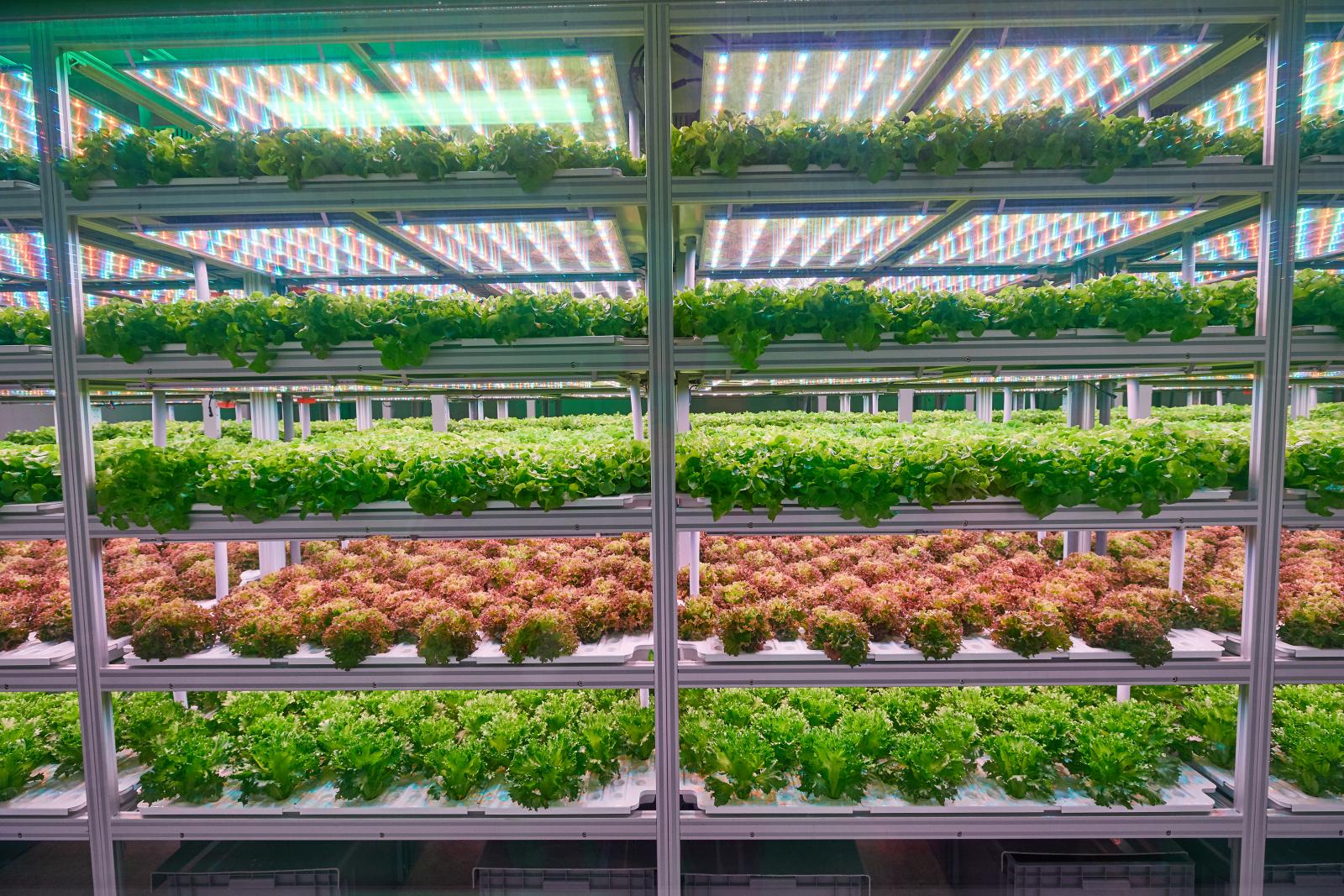
Crops are grown in multi- modules designed for stability and safety. Our in-house developed planting modules, pots, and water trays are patented, stress-tested, and corrosion-resistant, ensuring a reliable structure for continuous production. By stacking crops vertically, plant factories maximize growing area within the same footprint, significantly increasing yield compared to traditional horizontal farming.
3. Irrigation System
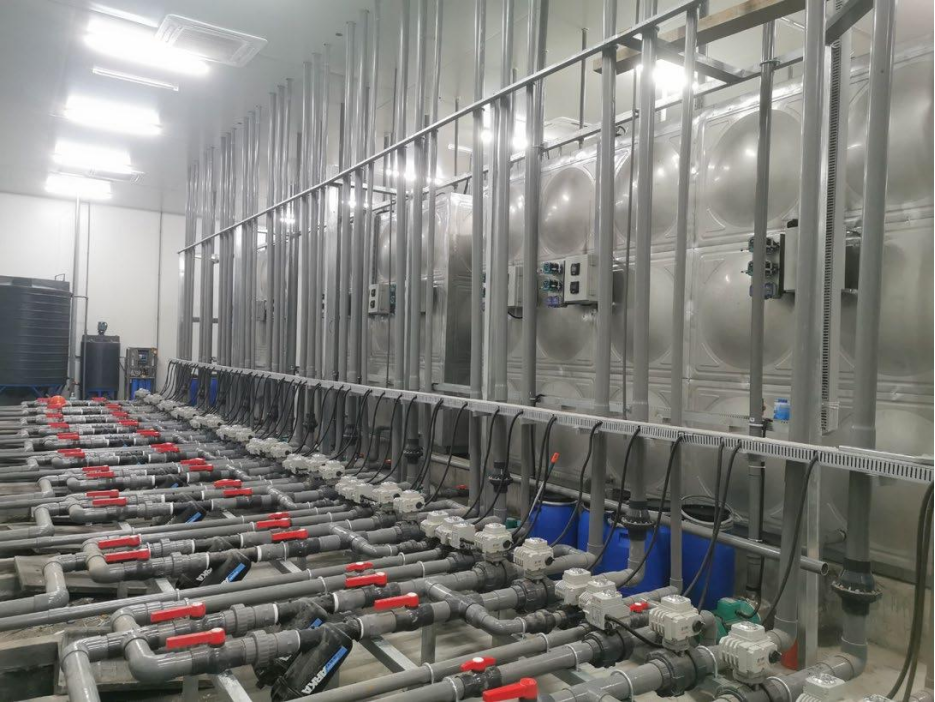
The plant factory uses a smart irrigation system combining drip arrow tubes and drip belts, ensuring highly uniform nutrient delivery even in multi- vertical s. After each irrigation cycle, an automatic backwash cleans residual nutrient sediment, preventing clogs in water and fertilizer pipelines. The system continuously monitors the returned nutrient solution, including volume, pH, and EC, allowing automatic adjustments for optimal plant growth. Additionally, condensation water from the HVAC system is recycled into the irrigation tanks, reducing overall water consumption.
4. Environmental Control System
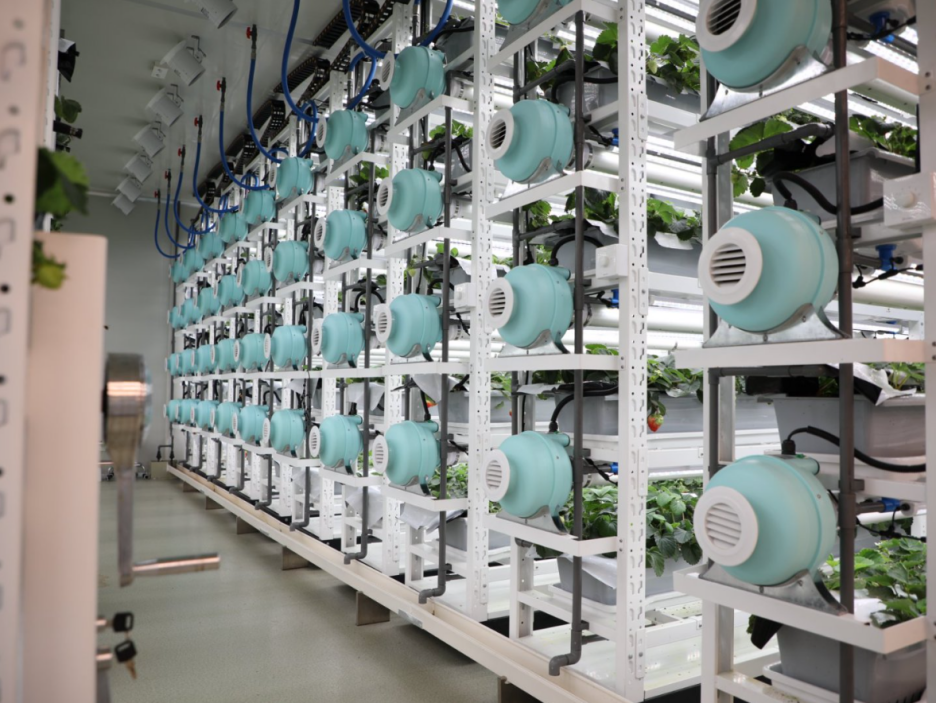
The plant factory uses an 4D Bios patented efficient HVAC system with chilled-water dehumidification and reheating, combined with a precision air supply. Conditioned air is delivered directly to the plants, keeping temperature, humidity, and CO₂ uniform across all s. This reduces temperature differences between plants from ±3°C to ±1°C, ensuring consistent and optimal growth while maintaining high energy efficiency.
5. IOT Control System
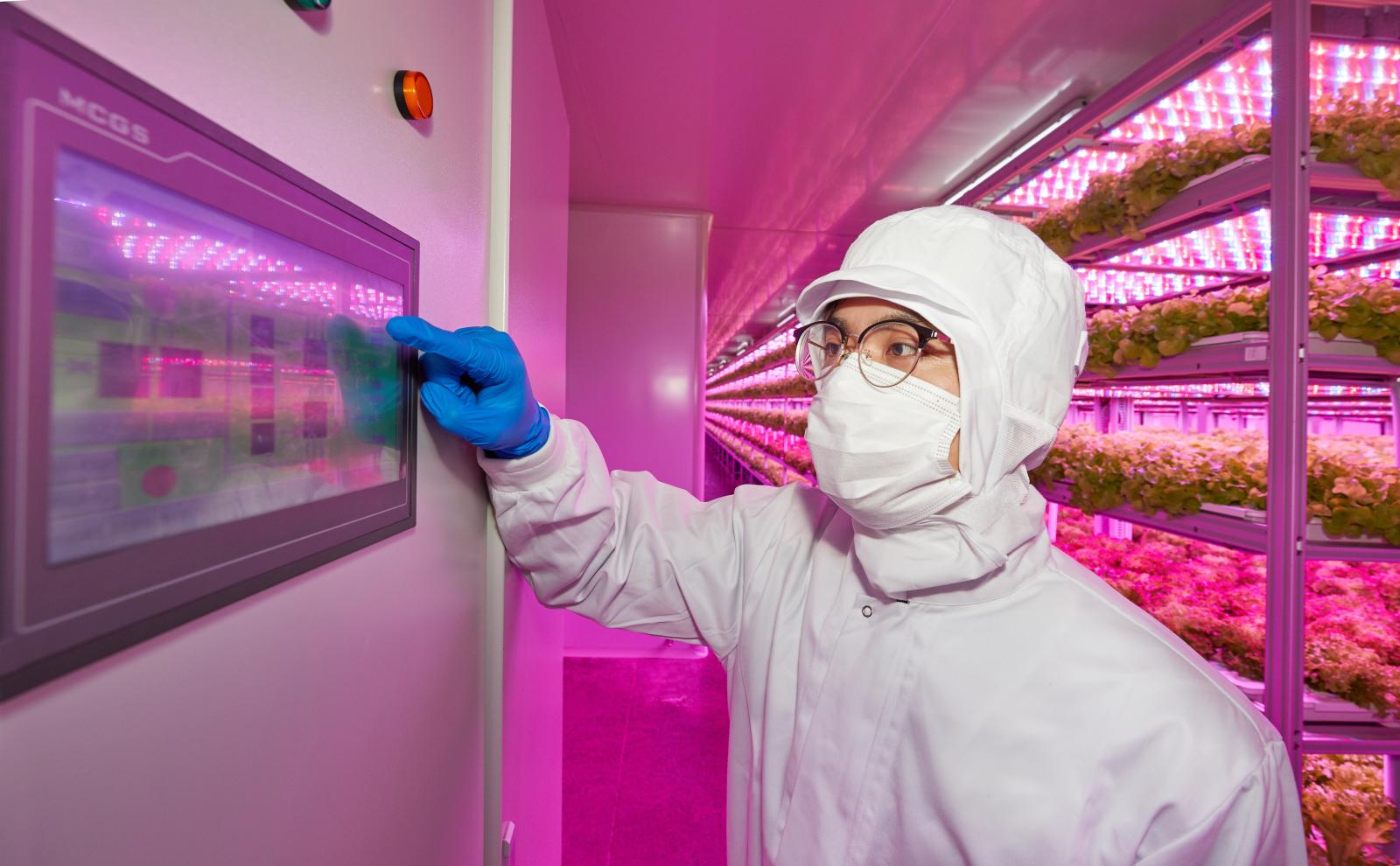
IoT sensors connect to a cloud platform for real-time monitoring, early warnings, and automated environmental control. The system supports SOP automation, visual management, and data-driven decision-making, integrating phenotype and other production data to optimize operations efficiently and accurately.
6. Management Software
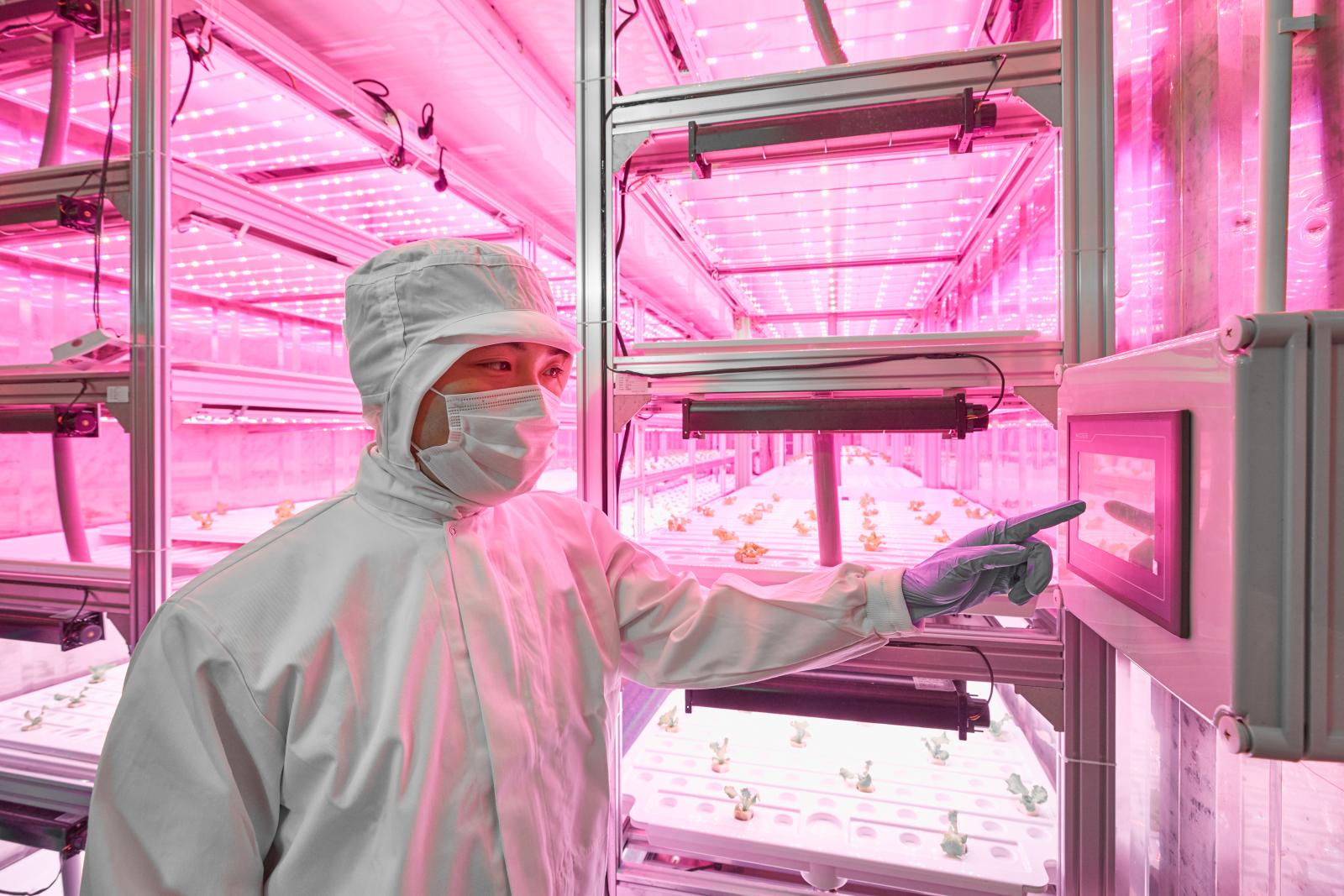
Management software runs on an open platform, mobile app, cloud, and HMI/desktop tools. Operators can adjust production parameters from phones, tablets, or PCs, offering friendly interface and simplicity for operation.
7. Advanced Automation with the assistance of AI
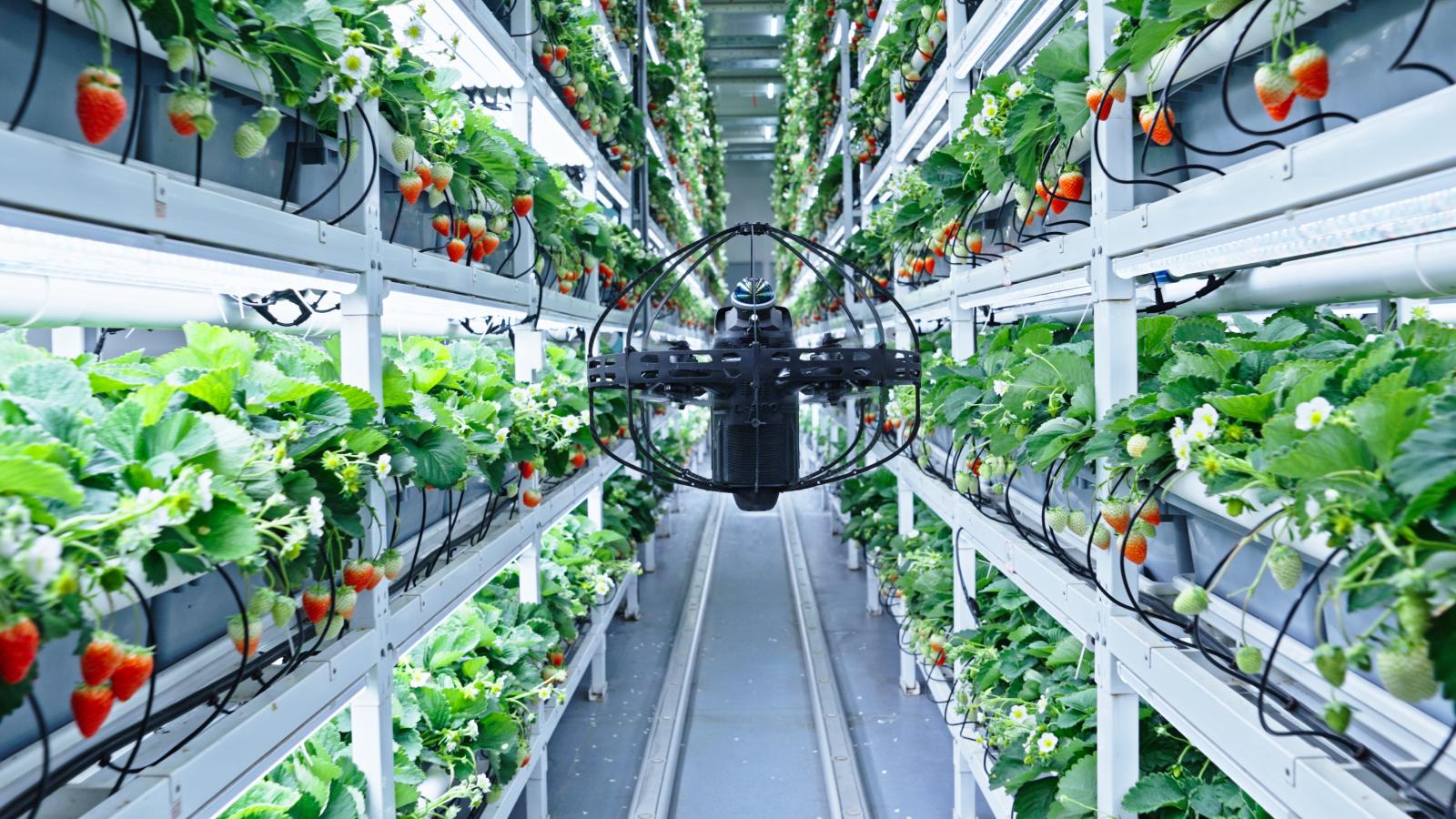
Automation, big data, and AI support daily operations. Features include planting production scheduling, one-click planting, and SOP automation to lower manual steps in the plant factory.
Advantages of Plant Factories
With a plant factory in place, you can enjoy:
- Year-Round Crop Production: A plant factory runs indoors, and, therefore, the weather doesn’t stop production. Essentially, the system isolates crops from heat, cold, storms, and drought, which empowers unremitting harvests through the year.
- Higher Yield Per Square Meter: Stacking s multiplies output in the same footprint. Reported gains reach up to 100x, along with rapid crop cycles supporting harvests.
- Efficient Use of Water and Nutrients: Closed-loop irrigation diminishes waste. It manifests about 95% less water use and reuse of HVAC condensate alongside pH/EC monitoring on the return line to adjust dosing.
- No Pesticide, Heavyl, nor Herbicide Residue: Plants are grown indoors using substrate or hydroponic systems, which greatly reduce exposure to pests. This means no pesticides, herbicides, or heavy-l residues are used, ensuring that produce from plant factories is safe, clean, and consistent.
Success Stories of Plant Factories
Case 1: Digital Agriculture Industrial Park - Fuyang
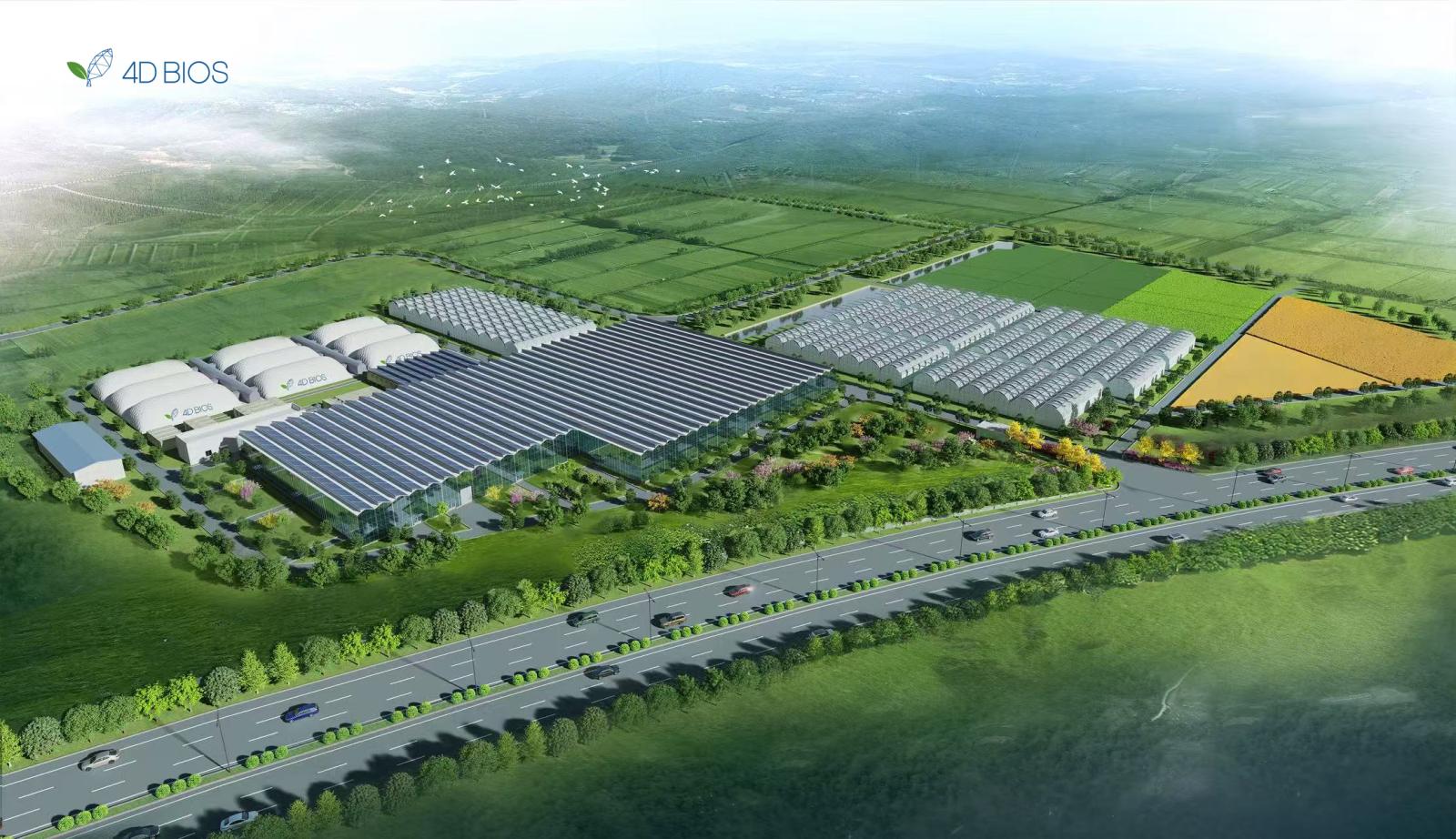
Located in Fuyang District, Hangzhou, the Modern Agricultural Industrial Park spans 121 acres. Phase I features a 11,000 m² plant factory and a 40,000 m² greenhouse. Currently fully operational, it produces 26.2 million seedlings, 152 tons of strawberries, and 600 tons of vegetables, earning recognition as a national innovation base.
Case 2: Agriculture Integration Park-CANGNAN
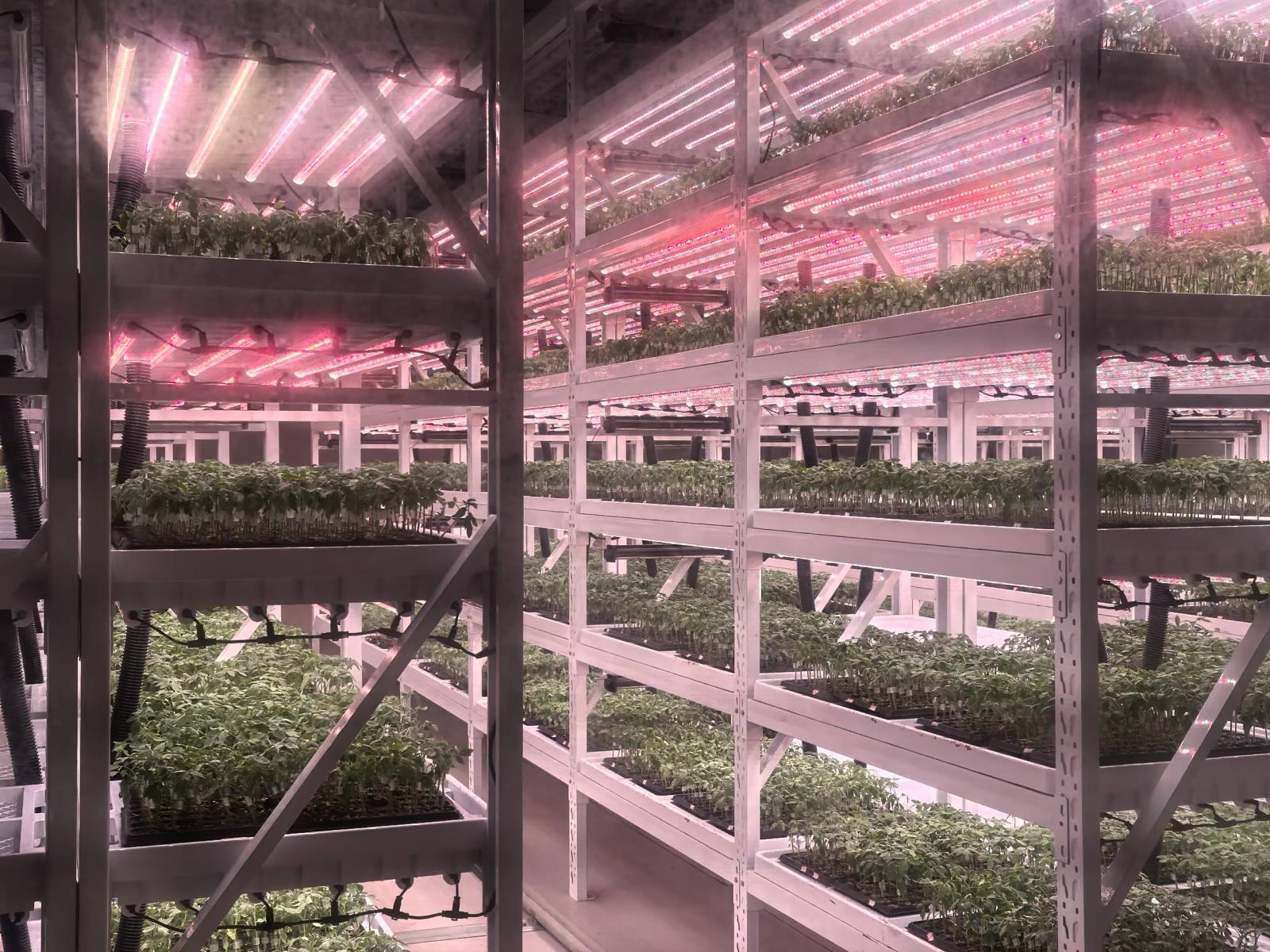
Situated in Wenzhou, Zhejiang, the Cangnan Agriculture Integration Park covers 100 acres, including a 4,500 m² plant factory and 20,000 m² of greenhouses. It produces 17 million seedlings annually, valued at RMB 17.5 million, and cultivates 300 tomato varieties, serving as a national seedling base and a key hub for Cangnan’s tomato industry.
Case 3: Strawberry Plant Factory -JIANDE
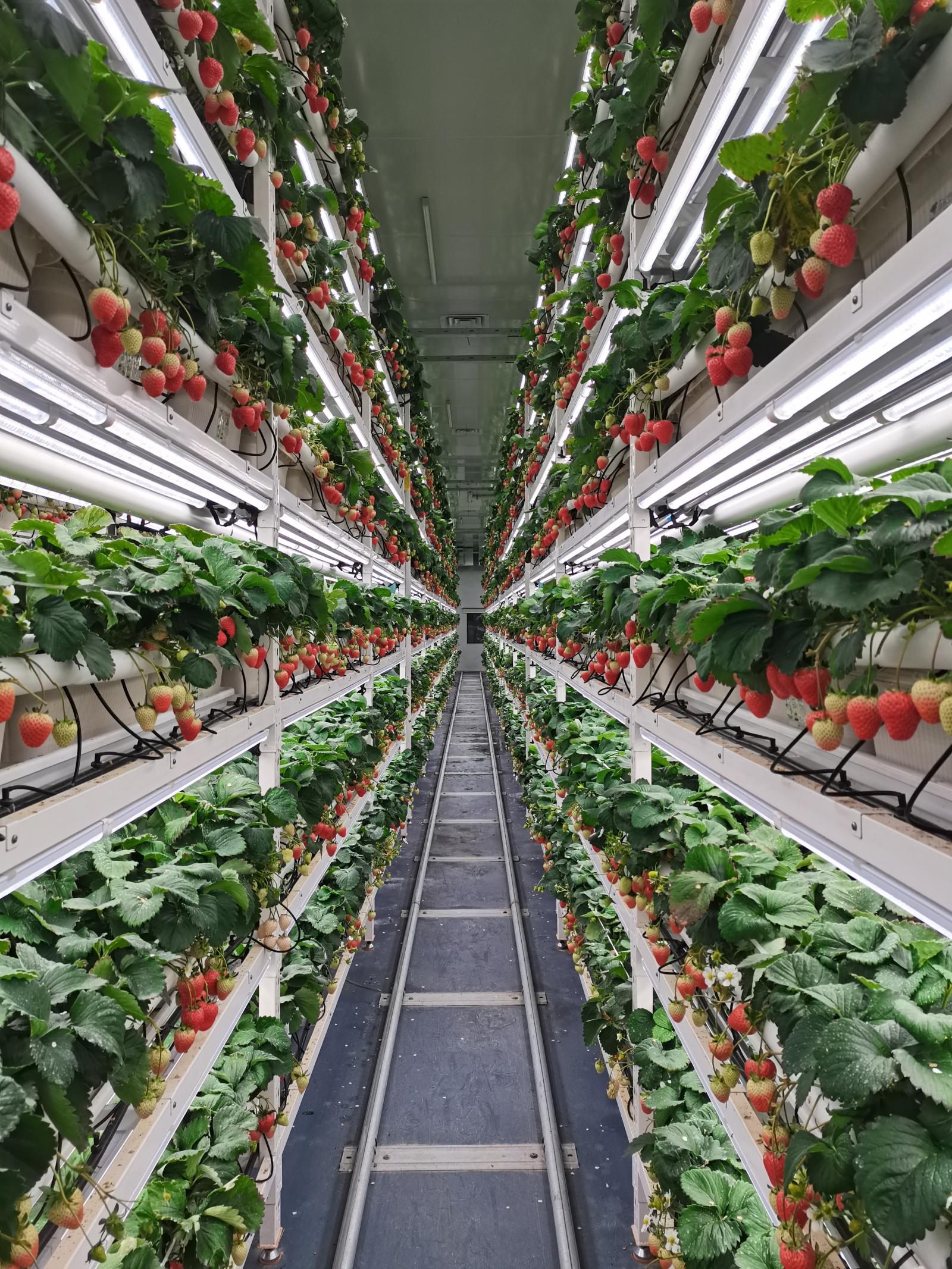
China’s first commercially operated strawberry plant factory, the Jiande project, promotes digital, automated, and factory-scale farming. Built in 2022 on 1,700 m², it grows 27,000 strawberries, enabling year-round harvests of up to 39 tons. The project also supports local employment and has been recognized as a provincial digital economy innovation case.
Conclusion
At 4D Bios, our plant factories integrate precise control of environment, light, CO₂, and nutrients with vertical farming technology to ensure steady, year-round harvests of safe, pesticide-free crops. By reducing water use and accelerating growth cycles, we deliver sustainable, scalable solutions—from large industrial parks to compact container and classroom units. Ready to explore the future of agriculture? Contact us today to learn more.
References
[1] Available at: https://www.un.org/en/desa/world-population-projected-reach-98-billion-2050-and-112-billion-2100 (Accessed: August 28, 2025)
[2] Available at: https://openknowledge.fao.org/server/api/core/bitstreams/6ec24d75-19bd-4f1f-b1c5-5becf50d0871/content (Accessed: August 28, 2025)