Since 2001, cropland per person has decreased by 20%.[1] By 2050, the world might reach 9.7 billion people.[2] So, where will future fresh produce come from? Traditional farming alone may not be able to keep up with demand, especially in densely populated cities where space is limited. This growing pressure on food systems has sparked the search for innovative solutions. One promising answer is shipping container farming—a scalable, sustainable, and urban-friendly approach that transforms steel containers into high-tech farms, capable of producing fresh produce almost anywhere in the world by using vertical farming technology. This article explains what it is and how to try it.
[2]Available at: https://www.un.org/development/desa/pd/sites/www.un.org.development.desa.pd/files/wpp2022_summary_of_results.pdf (Accessed: September 26, 2025)
What is Shipping Container Farming?
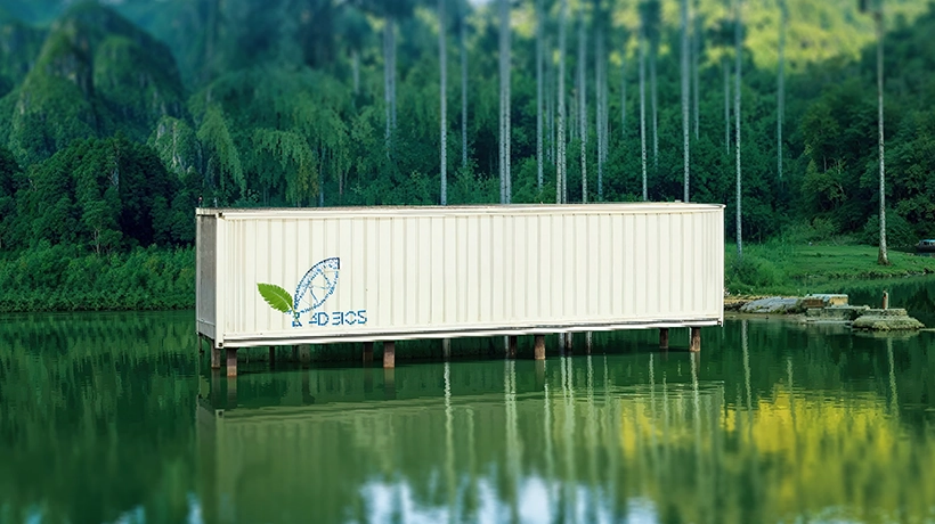
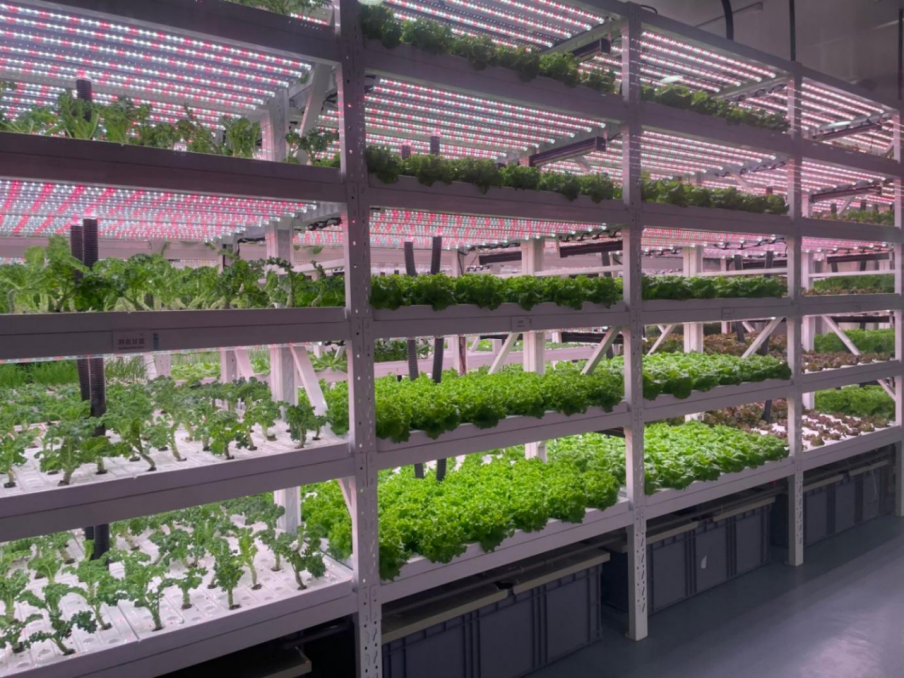
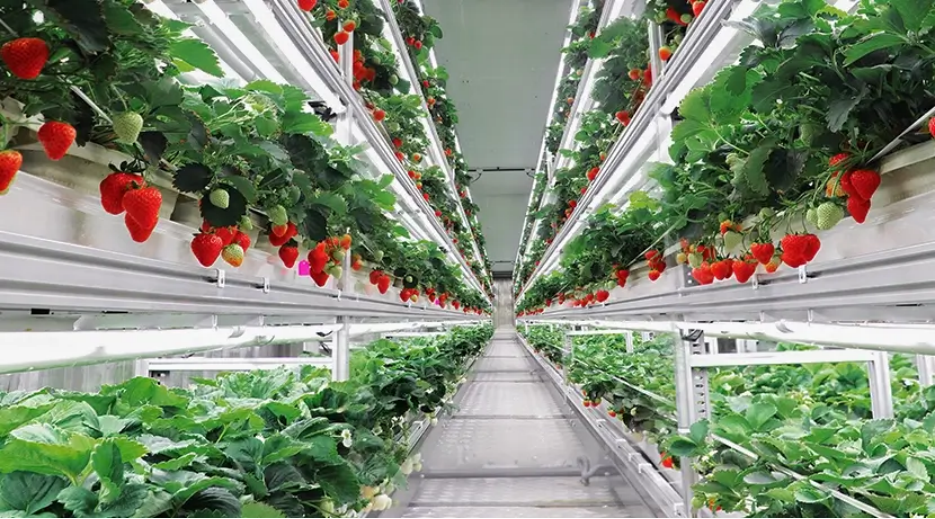
Shipping container farming is an innovative agricultural method that repurposes shipping containers to create self-contained, controlled environments for growing crops. This approach is a subset of controlled environment agriculture (CEA) and is often associated with vertical farming due to the efficient use of space within the container. By utilizing technology to manage all aspects of the growing process, shipping container farms can produce fresh, local food year-round, regardless of external weather conditions.Benefits of Shipping Container Farming
Shipping container farming offers a wide range of advantages that make it an attractive alternative to traditional agriculture.1.Space Efficiency
Shipping containers make tight spaces productive. Vertical racks convert height into additional growing area. Vertical growing module increases yield far beyond flat designs, increasing yield per square foot by 50 to 100 times. The footprint is small. So it matters in urban environments, on rooftops, or in other underutilized spaces, effectively turning “food deserts” into productive agricultural zones.
2.Sustainability
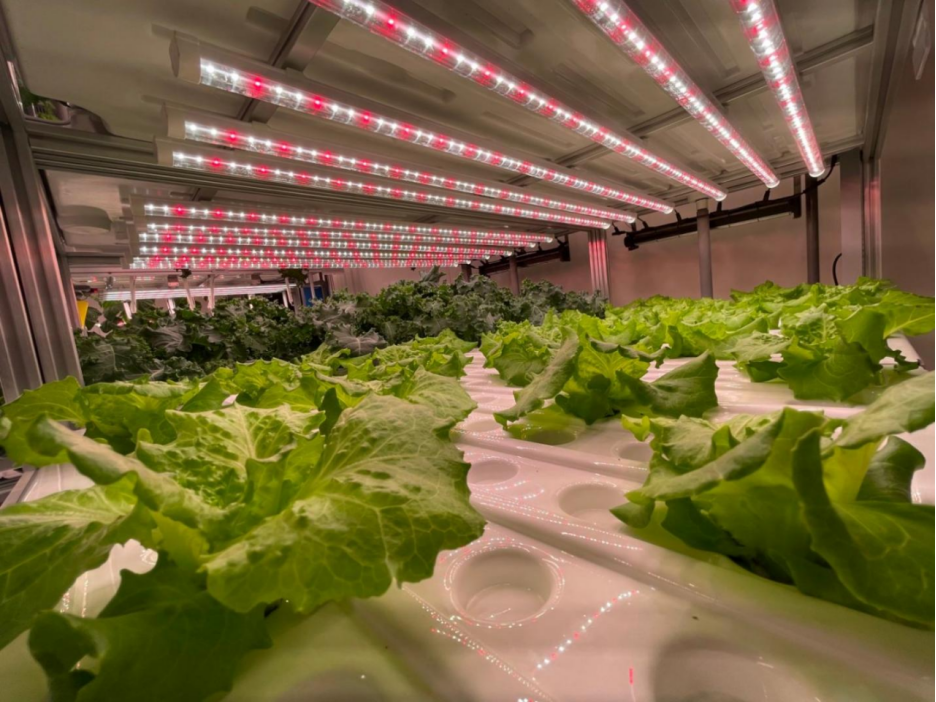
Shipping container farming is highly sustainable, particularly when it comes to water usage. They often employ hydroponic or substrate systems, which recirculate water and nutrients, leading to a dramatic reduction in water consumption compared to conventional farming. While traditional agriculture can be a major consumer of freshwater resources, shipping container farming uses up to 95% less water, making it an excellent solution for drought-prone regions or areas with limited water availability.
3.Local Production
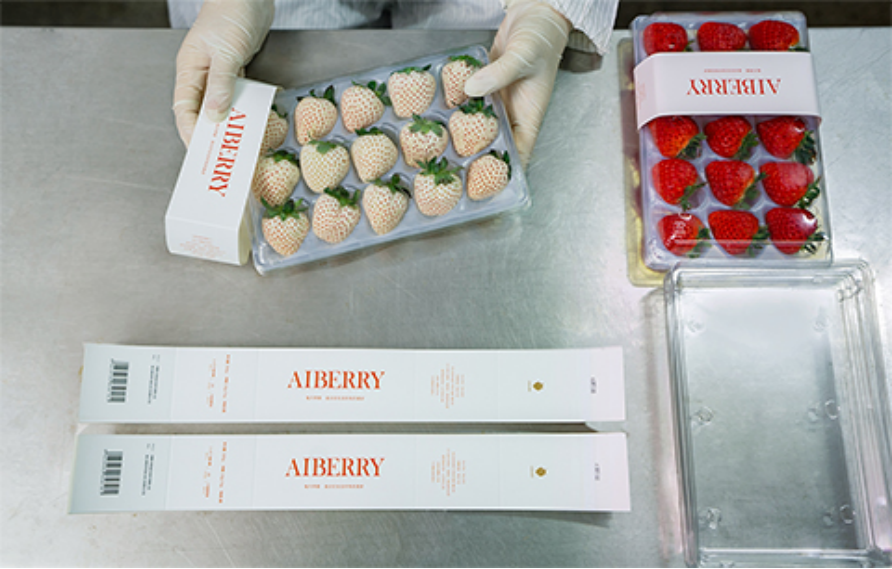
Since shipping containers can be placed close to where consumers live, shipping container farming drastically reduces the distance food travels from farm to table. This model has several positive impacts, including a significant reduction in transportation-related emissions and a decrease in food spoilage. Consumers benefit from fresher, more nutritious produce that is harvested at its peak ripeness, rather than picked early to survive a long journey. That helps steady supply for restaurants, campuses, and hospitals.
4.Year-Round Harvests
Because shipping container farming operates in a fully controlled environment, they are completely independent of external weather conditions. Extreme heat, freezing temperatures, droughts, and floods have no effect on the crops inside. This ensures a consistent, predictable yield throughout the year, providing a reliable source of food regardless of the season. This stability is invaluable for food security and allows for the cultivation of a wider variety of crops, even those not native to the local climate.
5.Scalability
The modular nature of shipping containers makes them highly scalable. A new farmer can start with a single container and, as demand grows, easily add more units to expand production. These shipping containers can be stacked vertically or arranged side-by-side, offering a flexible and adaptable solution that can grow with the business. A key advantage of this modularity is that multiple containers can share a single water treatment system, which simplifies operations and reduces setup costs.
How to Start a Shipping Container Farm
For those interested in trying shipping container farming, there are two main approaches to get started:Method 1: Purchase a Ready-Made Vertical Farm
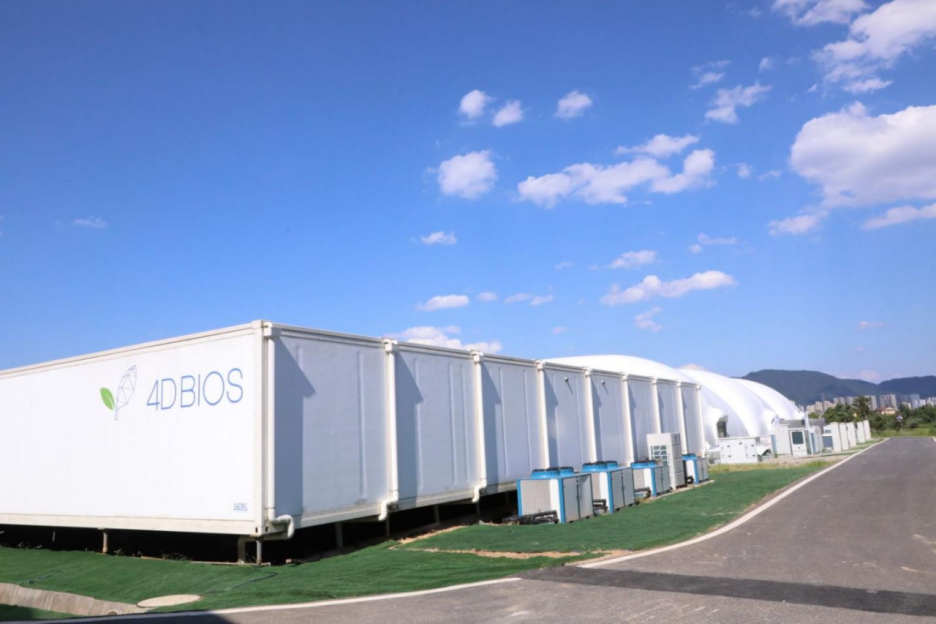
The simplest option is to buy a fully equipped, pre-built container farm from a specialized company like 4D Bios. These “plug-and-play” solutions come with hydroponic systems, LED lighting, climate controls, and monitoring software already installed. While this method requires a larger upfront investment, it saves time and ensures everything is optimized for efficient food production. It’s ideal for beginners who want to start farming quickly without handling technical modifications themselves.Method 2: DIY Shipping Container Modifications
For those who are more hands-on, have a smaller budget, or want a more customized solution, building your own container farm is a viable alternative. This method involves sourcing a container and then outfitting it with all the necessary components yourself. This involves outfitting the container with ventilation, water systems, lighting, and hydroponic setups. While DIY offers a much lower initial cost, it is a time-consuming project, and the potential for costly errors is much higher. You will also be responsible for troubleshooting and maintenance without professional support.Conclusion
At 4D Bios, we build containerized vertical farming equipment that works anywhere, year-round. Our completely enclosed environment lowers pest pressure and shields crops from punishing weather. We run in deserts, mountains, islands, polar zones, and dense cities. Container clusters use circulating irrigation for faster seed-to-sale flow, along with real-time remote control. Modular, independent grow spaces and a central control system make scaling simple. An N+1 design makes multiple containers to share a water-treatment setup and clean space, boosting stability and hygiene. Contact us right now and see how our containerized grow system fits your site.References
[1]Available at: https://www.fao.org/statistics/highlights-archive/highlights-detail/land-statistics-2001-2023.-global--regional-and-country-trends/en (Accessed: September 26, 2025)[2]Available at: https://www.un.org/development/desa/pd/sites/www.un.org.development.desa.pd/files/wpp2022_summary_of_results.pdf (Accessed: September 26, 2025)